Gir Somnath · Gujarat · since 2016
How we make
our ghee
Gir cow milk from grass-fed village cows, set to curd overnight, churned by hand, and cooked in a clay matki on a wood chulha. Only Bilona, only after you order, and you are welcome to come and watch.
30–35 L
Milk for 1 kg of cow ghee
2 days
From curd to ghee
Monthly
Lab tests to FSSAI limits
Open
Visit and watch a batch
How our Bilona ghee is made, step by step
Bilona ghee is made from curd, not cream. Here is every step of a batch in our kitchen in Gir Somnath, from the milk to the jar that reaches you.
-
01
The milk
Our cow ghee is made only from Gir cow milk, and our buffalo ghee from Jafarabadi buffalo, the local breed. They are grass-fed village animals that graze on village pasture near the Gir forest, from our own herd and partner farmers around us in Gir Somnath. No hormone injections, no milk boosters. We choose partner farmers on a checklist, and a vet visits every partner farm daily.
-
02
Curd, overnight
The milk is set to curd and left overnight, 8 to 12 hours. We never skim cream off the milk. The whole curd goes to the churn.
-
03
The churn
The curd is churned for 30 to 45 minutes until the makkhan, the butter, separates from the buttermilk. This is the Bilona step, and it is why Bilona ghee takes so much milk.
-
04
The matki on the chulha
The makkhan cooks slowly in a matki, a clay pot, on a wood chulha for 45 to 90 minutes. It comes off the flame when the bubbling goes quiet, the milk solids turn golden brown, and it smells of toasted milk.
-
05
The taste check
Varsha Parmar tastes every batch. If she would not serve it at home, it does not go in a jar. A burnt or undercooked batch is never packed.
-
06
Your jar, and its video
We cook after you order, not ahead of time. Your jar is filled and packed, we record it, and the video comes to you on WhatsApp with tracking before it ships.
Only Bilona. What we never do
We make one kind of ghee, the Bilona way, in cow and buffalo. That means there are things you will never find in our kitchen.
No ghee from cream or malai
Every jar is curd-churned Bilona, cow and buffalo. We do not make any other kind.
No hormone injections or milk boosters
Our animals and our partner farmers' animals are grass-fed village animals. A vet visits every partner farm daily.
No mixing in vanaspati or oil
We test for the markers that catch it, every month.
No cooking months ahead and warehousing
Your jar is cooked after you order.
No packing a batch that went wrong
Burnt or undercooked ghee stays in our kitchen.
Why Bilona ghee costs more
It takes about 30 to 35 litres of Gir cow milk to make 1 kg of our cow ghee, and about 22 to 25 litres of buffalo milk for 1 kg of buffalo ghee. Gir cows give less milk than crossbred dairy cows, and churning whole curd gives less ghee than skimming cream. Add two days of work per batch, a clay pot, and a wood fire, and that is the price: A2 cow ghee at ₹2,399 a litre and buffalo ghee at ₹1,999 a litre.
Per spoon it is smaller than it sounds. A teaspoon is 5 mL, so a litre holds 200 of them: about ₹12 a teaspoon for cow ghee. That is the spoon on your roti or your child's dal.
Why our ghee changes through the year
Small-batch ghee follows the animals and the season. If your jar looks a little different from the last one, this is why.
Winter
Richer milk, more makkhan per litre, better yield, and the finest grain.
Summer
Lower fat, curd sets and sours faster, and the ghee often stays liquid in the jar.
Monsoon
Green fodder makes cow ghee more yellow.
Our cow ghee always cools grainy, called danedar. That comes from slow cooking and slow cooling.
How we test our ghee
Every month our ghee is lab-tested against the FSSAI standard for ghee. These are the limits it has to meet, and what each one tells you.
Moisture
At most 0.5%
Water left in ghee makes it spoil faster.
Milk fat
At least 99.5%
Ghee should be almost all milk fat.
Free fatty acids (as oleic acid)
At most 2.0%
High values mean old or badly handled fat.
Baudouin test
Negative
Catches vanaspati mixed into ghee.
β-sitosterol
Absent
A plant sterol: its presence means vegetable oil is in the jar.
We plan to publish each month's report on our Certifications page. Our FSSAI licence, 20725045000021, is printed on every jar and can be checked on foscos.fssai.gov.in.
Come and see it made
Anyone is welcome at our kitchen in Gir Somnath, Gujarat. Watch the curd go into the churn, the makkhan go into the matki, and the ghee come off the chulha. Message us on WhatsApp before you come, so we can tell you when the next batch will be on the fire and send you directions.
Plan a visit on WhatsAppWho makes it
The Parmar family. More about us on the About page.
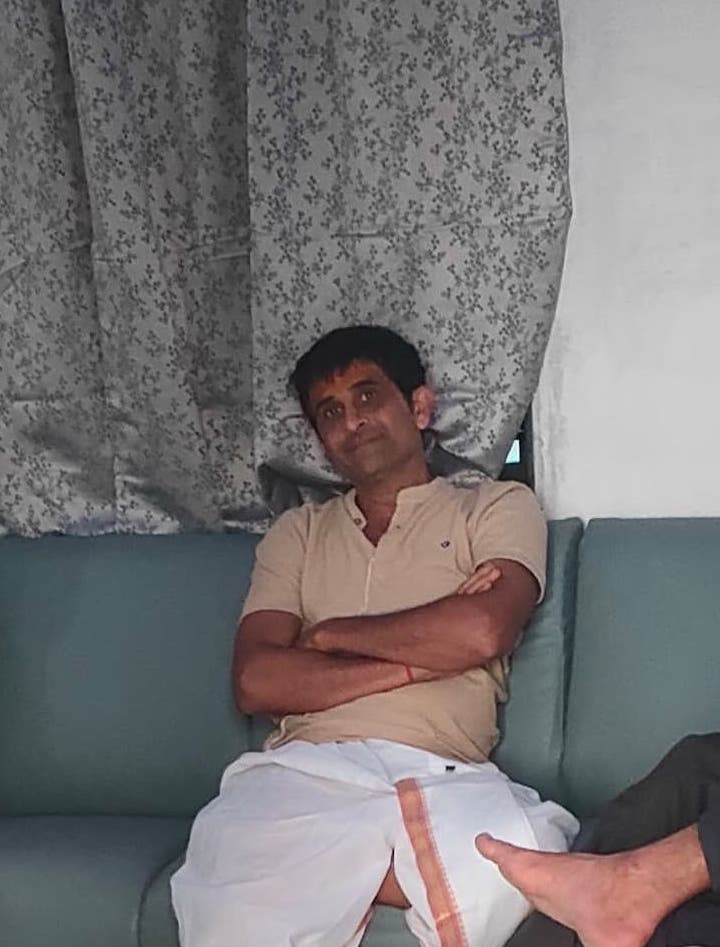
Rajesh Parmar
The animals
Looks after the animals, and knows which season the milk is heavy.
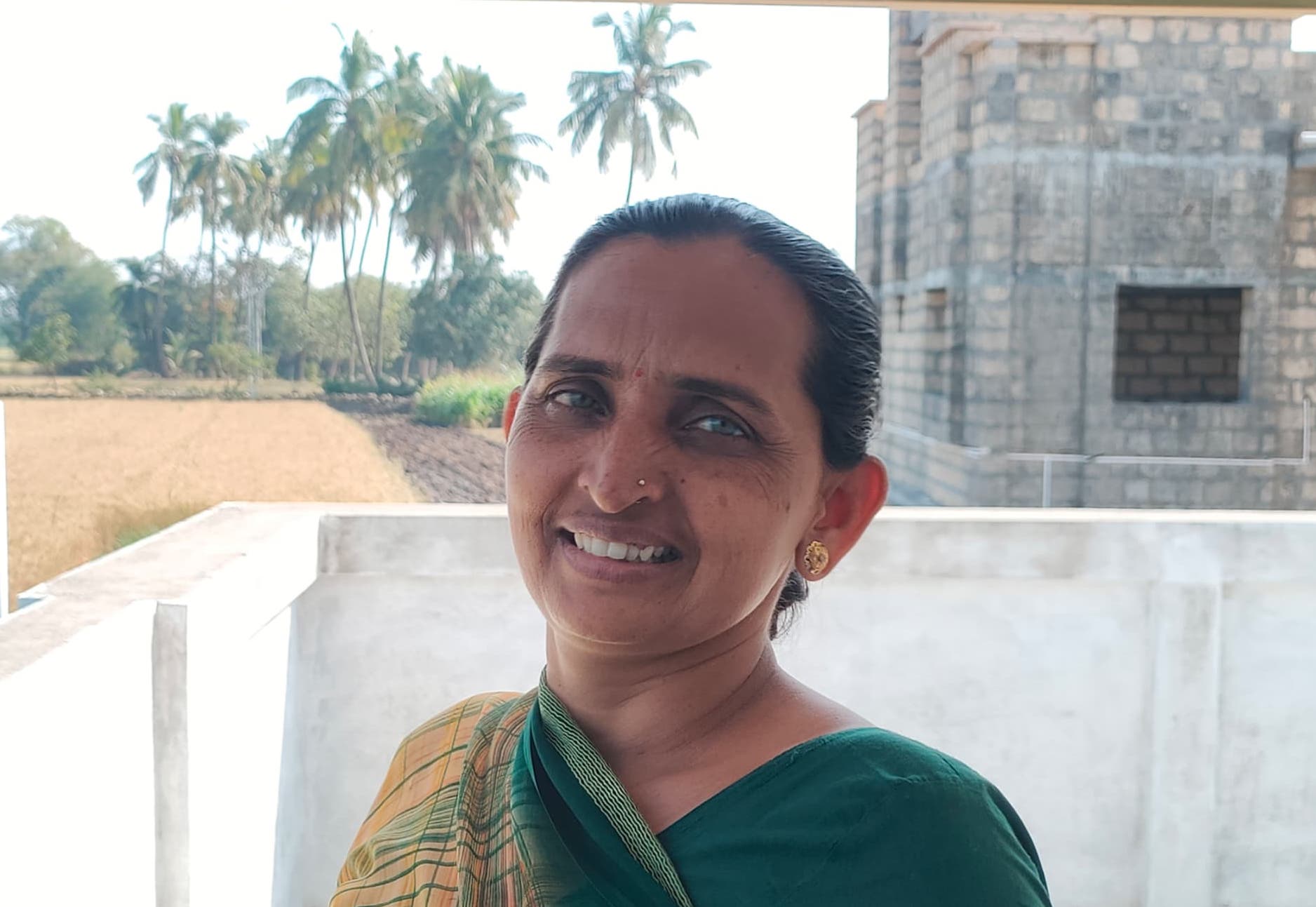
Varsha Parmar
Taste check
Tastes every batch before it goes into a jar.

Milan Parmar
Orders and videos
Records the packing video of your jar and sends it to you.
Questions about how we make our ghee
Sources
- Food Safety and Standards (Food Products Standards and Food Additives) Regulations, Chapter 2.1: Dairy products and analogues, version 01.09.2023, Food Safety and Standards Authority of India (FSSAI). Checked 25 Sep 2026.
Made after you order
Pick cow or buffalo. The video of your jar comes with it.