Jeera Aloo Recipe Dhaba Style: In Grams, and How Much Ghee
For this jeera aloo recipe dhaba style, boil 500 g of potatoes in their skins until a knife meets a little resistance, let them go cold, then cube them and roast them in 2 tablespoons of ghee with a full tablespoon of jeera. Leave the cubes alone for 3 minutes on medium-high so they crust, toss, roast 3 minutes more, and finish off the flame with amchur and coriander. A katori comes to about 165 kcal.
How do you make jeera aloo dhaba style?
Dhaba jeera aloo is boiled potato that gets a second cooking in ghee. The potatoes are boiled just short of soft and cooled, so they hold a sharp cube, and then roasted in hot ghee and a big spoon of jeera until two sides turn golden. No onion, no tomato, no gravy. The cumin, the crust, and the sour amchur at the end are the whole dish. Here is each stage with its heat and time.
Stage
Heat
Time
Ready when
Boil
Cooker, 1 whistle on medium
10 to 12 min
A knife meets a little resistance at the centre.
Cool
Off the flame
30 min, or overnight in the fridge
Cold right through, skin peels off in strips.
Tadka
Medium
40 sec
Jeera one shade darker and smelling toasted, not black.
Roast
Medium-high, lid off
6 to 7 min
Golden crust on two sides of most cubes.
Masala
Low
1 to 2 min
Every cube coated, no raw powder smell.
Finish
Off the flame
30 sec
Amchur, roasted jeera, coriander tossed through.
The roast is the step people rush. A cube that sits still on hot ghee for 3 minutes browns; a cube that is stirred every 20 seconds steams and breaks. The pan matters too: a wide, heavy iron kadhai holds its heat when the cold potatoes go in, where a thin pan cools down and the cubes sweat. The same jeera-in-ghee start is how we begin a ghee dal tadka, and the two sit together on most dhaba thalis.
What goes into jeera aloo, in grams?
Four medium potatoes (500 g), 2 tablespoons of ghee, and a whole tablespoon of jeera feed four people as a side. Weigh the potatoes once; after that you will know what four medium ones look like in your market.
Ingredients (serves 4)
- 500 g potatoes (4 medium), boiled in their skins
- 2 tbsp ghee (25.6 g)
- 1 tbsp jeera (cumin seeds)
- ¼ tsp hing
- 2 green chillies slit, 1 inch ginger in thin strips
- ½ tsp turmeric, 1 tsp Kashmiri chilli powder, 1 tsp coriander powder
- ¾ tsp salt
- ½ to 1 tsp amchur (or 1 tsp lemon juice off the flame)
- ½ tsp roasted jeera powder
- 2 tbsp chopped coriander leaves
Equipment: a pressure cooker or pot, and a wide iron kadhai or heavy pan big enough for the cubes to sit in one layer.
Steps
- 1. Pressure cook the potatoes in their skins, water just to cover, 1 whistle on medium. Let the pressure drop on its own.
- 2. Cool at least 30 minutes. Peel, cut 2 cm cubes, and pat dry with a cloth.
- 3. Heat the ghee on medium. Jeera for 40 seconds, until it crackles and turns one shade darker. Hing, chillies, and ginger for 20 seconds.
- 4. Cubes in, in one layer. Medium-high, and do not touch them for 3 minutes. Toss the pan, then 3 to 4 minutes more until most cubes are golden on two sides.
- 5. Flame to low. Turmeric, chilli, coriander powder, and salt, then 1 tbsp water. Toss for 1 to 2 minutes.
- 6. Off the flame: amchur, roasted jeera powder, and coriander leaves. Toss once and serve hot.
One katori, a quarter of the pan: about 165 kcal, 2.4 g protein, 6.5 g fat (4.0 g saturated), 25 g carbohydrate, and 2.3 g fibre, worked out from USDA FoodData Central for boiled potato and ghee. The spices, chillies, and salt add very little and are not counted. Potato brings most of the calories; the ghee brings most of the fat.
Dry the cubes before they go in. Ghee is only ready once every drop of water in the makkhan has boiled away, so a pan of hot ghee is far hotter than anything boiling, and a wet potato skin or a drop of water makes it spit. Slide the cubes in from close to the pan, not from a height. If a splash does catch you, what to do is on ghee and burns. The tablespoon of water in step 5 is fine because the flame is low by then.
How long to boil potatoes for jeera aloo?
One whistle in a pressure cooker, or 15 to 20 minutes in an open pot, for medium potatoes in their skins. Stop when a knife goes in with a little push at the centre. The potato finishes cooking in the kadhai, and a potato that is already soft will break there.
Potatoes
How to cook them
In the kadhai
Pressure cooker, whole in skin
4 medium potatoes, water just to cover. 1 whistle on medium, then let the pressure drop on its own.
The easiest one to overdo. Two whistles is mash for aloo paratha, not cubes.
Open pot, whole in skin
Start in cold salted water. After the boil, 15 to 20 minutes on medium; test at 15.
Slower but easy to stop at the right point. Take them out as soon as the knife slides in with a little push.
Leftover boiled potatoes
Straight from the fridge. Peel and cube cold.
The firmest cubes and the best crust. Use within the 48 hours in the storage section.
Raw cubes, no boiling
1.5 cm cubes, rinsed and patted dry. After the tadka, lid on, low flame 8 to 10 minutes, then lid off and roast 5 to 6 minutes.
Works for one pan and no cooker. The jeera sits in the ghee longer, so take it off the flame for a moment if it darkens fast.
Boil them whole with the skin on. Cut potatoes take in water and turn soft at the edges before the centre is done. Cooling matters as much as the boil: a warm potato is still soft all through and crumbles under the knife, while a cold one cuts clean. That is why yesterday's leftover boiled potatoes, the ones kept for aloo paratha, make the neatest jeera aloo. If you only have mashed-soft potatoes, make a paratha filling or a pav bhaji instead of fighting them into cubes.
How much ghee in jeera aloo, and how many calories?
Two tablespoons for 500 g of potatoes, which is 1½ teaspoons a katori and about 165 kcal. That is enough ghee to fry the jeera and give every cube a golden side. Dhabas often use half as much again, and you can use half as little in a good pan; the table shows what each does.
Pan of 4
Ghee in the pan
Ghee a katori
kcal
Sat. fat
How it turns out
Light
In the pan: 1 tbsp (12.8 g)
A katori: ¾ tsp
137 kcal
Saturated fat 2.0 g
Use a non-stick or well-seasoned iron pan. The crust comes out patchy, and the jeera needs a close eye in so little ghee.
This recipe
In the pan: 2 tbsp (25.6 g)
A katori: 1½ tsp
165 kcal
Saturated fat 4.0 g
Enough to coat every cube and brown two sides. The ghee shows as a gloss, not a pool.
Dhaba-rich
In the pan: 3 tbsp (38.4 g)
A katori: 2¼ tsp
193 kcal
Saturated fat 6.0 g
The highway plate. Crisper edges and ghee at the bottom of the kadhai. For guests, not every day.
Per katori, a quarter of 500 g boiled potato plus the ghee. USDA FoodData Central: boiled potato 170438, ghee 173412 (1 tbsp = 12.8 g). Daily line: ICMR-NIN Dietary Guidelines for Indians 2024. Checked 28 September 2026.
ICMR-NIN's 2024 dietary guidelines suggest limiting ghee or butter to 1 to 2 teaspoons a day, inside about 27 to 30 g of all visible fat, oil and ghee together, on a 2,000 kcal diet. A katori of this recipe uses 1½ teaspoons, so on a jeera aloo day we keep the roti dry and cook the dal in oil. The whole day's budget is on how much ghee per day. Potato is also the starch of the meal, about 25 g of carbohydrate a katori, so if you watch your blood sugar, read can diabetics eat ghee and ask your doctor what portion fits your plan.
Measure the ghee melted. The ghee we make cools grainy in the jar and sets firm in winter, so a heaped spoon from a cold jar holds much more than a level tablespoon. Why it sets that way is on why ghee is grainy. At our live prices, a tablespoon of our cow ghee costs about ₹36 and of our buffalo ghee about ₹30, so the ghee in this pan comes to ₹60 to ₹72, or ₹15 to ₹18 a katori. A 2 cm potato cube at medium-high is well inside what ghee can take; the numbers for frying are on ghee for high-heat cooking.
Cow or buffalo ghee for jeera aloo?
Cow ghee if jeera is what you want to taste: its lighter, toasted-milk smell lets the cumin come through. Buffalo ghee if you want the heavier dhaba plate; it is fuller and whiter, and it browns the potato just as well. Either jar does the whole pan. The two are compared side by side on cow vs buffalo ghee.
Why is my jeera aloo mushy, soggy, or bitter?
Mushy jeera aloo started with an overboiled or warm potato; soggy jeera aloo was crowded or covered; bitter jeera aloo had black jeera or powders in very hot ghee. More ghee fixes none of these. Find what you see below.
Mushy, broken cubes
The potatoes were boiled soft, cut while warm, or stirred with a spoon before the crust set.
Fix: Stop the boil at a little resistance, cut them cold, and toss the pan instead of stirring for the first 3 minutes. Broken bits still taste good; serve them as a sukhi sabzi with roti.
Soggy, no crust
Too many cubes piled in the pan, the lid went on, or the potatoes were still wet from the peel.
Fix: Use a wide kadhai so the cubes sit in one layer, or cook in two batches. Pat them dry. Lid off the whole time unless you are cooking raw cubes.
Pale and flat
The flame was too low for the roast, or the ghee was too little to reach every cube.
Fix: Medium-high for the roast, and leave the cubes alone for 3 minutes before the first toss. Taste for salt at the end; potato soaks it up.
Bitter taste
Jeera went black, or turmeric and chilli powder hit very hot ghee.
Fix: Pull the pan off the flame if the jeera darkens too fast. Always drop to low before the powders. Black jeera cannot be saved; start the tadka again.
Powders taste raw or stick
The masala went on dry, cold cubes and never cooked.
Fix: Sprinkle the powders over the cubes, then add 1 tbsp water and toss on low for 1 minute. The steam cooks the spice and helps it cling.
Too sour or too hot
A full teaspoon of strong amchur, or a hot chilli powder.
Fix: Start with ½ tsp amchur and add more at the table. Kashmiri chilli gives the red colour with less heat.
Which potatoes are best for jeera aloo?
Firm, medium potatoes of the same size, with smooth skin and no green patches or sprouts. Same size matters because they finish boiling together; a mix of small and large gives you some mush and some raw centres from one cooker.
Potatoes vary a lot from one sack to the next, and the market name rarely tells you how they will cook. Boil one first and cut it cold. If it cuts clean and holds its edge, the sack is good for jeera aloo. If it turns floury and falls apart, use that sack for paratha filling, sabudana khichdi, or mash, and boil the next lot a few minutes less.
Throw out potatoes that have turned green or grown sprouts. Poison Control (the US National Capital Poison Center) says you are better off tossing them: the green and the sprouts carry natural toxins called glycoalkaloids, which can cause vomiting, stomach pain, and diarrhoea, and boiling or frying does not remove them. Keep potatoes in a cool, dry, dark place in a basket or open bag, and not next to onions.
How long does jeera aloo keep in the fridge?
Two days in the fridge. The UK Food Standards Agency advises getting cooked food into the fridge within one to two hours and eating leftovers within 48 hours, or freezing them. Jeera aloo can be frozen, but the thawed cubes turn soft and grainy, so we make a fresh pan instead.
To reheat, skip the microwave, which turns the crust leathery. Warm a dry kadhai on medium, add the cubes, and toss until they are hot right through and sizzling at the edges; the ghee already on them is enough. Squeeze on a little lemon at the end, because the amchur fades overnight.
What to serve with jeera aloo?
Dal and rice, puri, or roti. Jeera aloo is a dry side, so it wants something wet or soft beside it.
- Dal chawal: the everyday thali. Yellow dal, plain rice, jeera aloo, and a spoon of pickle.
- Puri: aloo puri for a Sunday breakfast. If the puris are fried, make the light jeera aloo from the table above.
- Roti: a soft ghee roti with jeera aloo and curd is a full lunch that packs well.
- Khichdi: a small katori beside ghee khichdi gives the soft bowl some crunch.
- Vrat plate: use sendha namak, and leave out the hing and the coriander powder if your family does. More fasting food cooked in ghee is on Navratri fasting recipes.
Which other dishes are worth cooking in ghee, and which are better in oil, is laid out dish by dish on cooking with ghee.
Jeera aloo recipe card to keep by the stove
Screenshot it and boil the potatoes the night before.
- 1. For 4: 500 g potatoes (4 medium), 2 tbsp ghee, 1 tbsp jeera, ¼ tsp hing, 2 green chillies, 1 inch ginger, ½ tsp turmeric, 1 tsp Kashmiri chilli, 1 tsp coriander powder, ¾ tsp salt, ½ to 1 tsp amchur, ½ tsp roasted jeera powder, coriander leaves.
- 2. Cooker: potatoes in their skins, water to cover, 1 whistle on medium, let the pressure drop on its own. A knife should meet a little resistance.
- 3. Cool at least 30 minutes, or use yesterday's boiled potatoes from the fridge. Peel and cut 2 cm cubes. Pat dry.
- 4. Wide kadhai, 2 tbsp ghee on medium. Jeera 40 seconds until one shade darker. Hing, chillies, ginger 20 seconds.
- 5. Cubes in one layer. Medium-high, do not touch for 3 minutes. Toss, then 3 to 4 minutes more until golden on two sides.
- 6. Flame to low. Turmeric, chilli, coriander powder, salt, and 1 tbsp water. Toss 1 to 2 minutes.
- 7. Off the flame: amchur, roasted jeera powder, coriander leaves. Toss and serve hot.
- 8. About 165 kcal and 1½ tsp ghee a katori. Fridge within 2 hours, eat within 2 days.
Which ghee for jeera aloo?
In a dish with four main ingredients, the ghee is one you taste. A stale or flat ghee shows up as soon as the jeera hits it. Pick a plain ghee with nothing added that smells of toasted milk when it melts. The home checks are on how to identify pure ghee, and our ranking of cow ghee on sale is best cow ghee in India.
For jeera aloo we would use our A2 Gir cow ghee on a weekday and our Jafarabadi buffalo ghee when we want the heavier dhaba taste. Both come from grass-fed village animals near the Gir forest in Gir Somnath; the milk is set to curd overnight, churned, and the makkhan cooked in a matki on a wood chulha. The jar is made after you order, a video of it being cooked and packed comes on WhatsApp, and Varsha tastes every batch before it goes in a jar. We test every month against the FSSAI limits; the steps are on how we make ghee.
Jeera up front
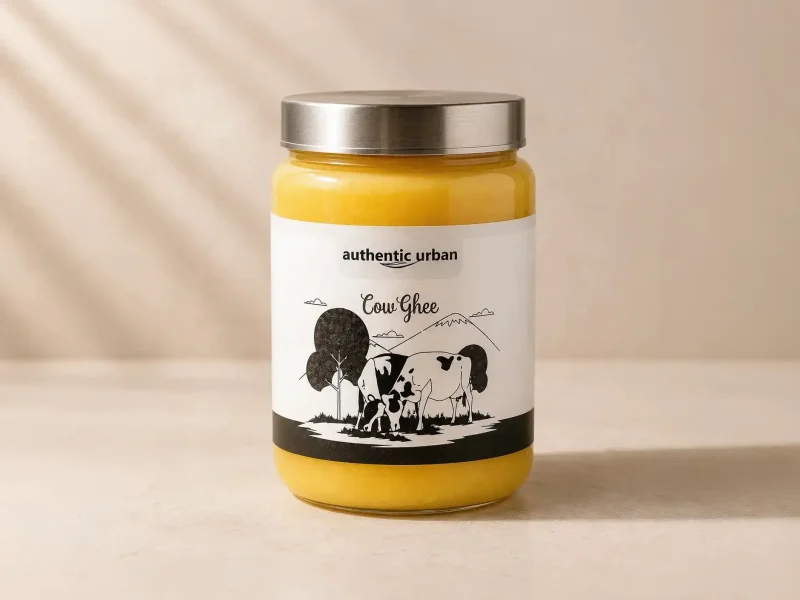 1 Litre
A rich dhaba plate
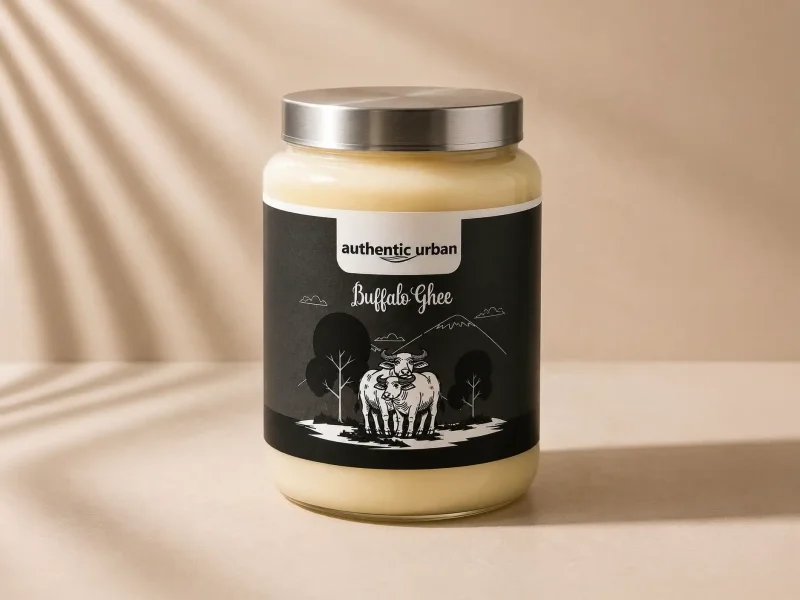 1 Litre
Each order is cooked after you place it, and the packing video is of that batch. Past order videos are on the shop.
FAQ
Jeera aloo kaise banaye dhaba style?
500 gram aloo ko chhilke ke saath cooker mein ek seeti tak ubaalo aur poori tarah thanda karo. Chhil kar 2 cm ke tukde kaato. Kadhai mein 2 chammach ghee garam karke jeera 40 second, phir hing, hari mirch aur adrak. Aloo daal kar 3 minute bina chhede tez aanch par sekho, palto, 3 minute aur. Dheemi aanch par haldi, mirch, dhaniya powder aur namak. Gas band karke amchur aur hara dhaniya.
Can I make jeera aloo in an air fryer?
Yes, and it uses less ghee. Toss 500 g of cold boiled potato cubes with 2 tsp of melted ghee and a pinch of salt, and air fry at 200°C for 12 to 15 minutes, shaking the basket halfway. Meanwhile make a small tadka in 1 tsp of ghee with the jeera, hing, and chillies. Tip the hot cubes into the tadka pan, add the powders on low for a minute, then amchur and coriander.
What is the difference between jeera aloo and aloo fry?
Jeera aloo is built around cumin: a big spoon of whole jeera fried in ghee, boiled potato cubes, and a sour finish of amchur, with no onion or tomato. Aloo fry is a wider name. In many homes it means raw potato cut thin or in cubes and fried slowly in oil with onion, curry leaves, or mustard seeds until crisp. Bombay aloo adds tomato and a wetter masala.
Is jeera aloo good for people with diabetes?
A katori of this jeera aloo has about 25 g of carbohydrate from the potato, worked out from USDA FoodData Central. Many people with diabetes eat a small katori beside dal and salad, and count it as part of the meal's starch instead of adding it to a full plate of rice or three parathas. The right portion depends on your own plan, so ask your doctor or dietitian what fits.
Can I pack jeera aloo in a tiffin?
Yes. Dry jeera aloo travels better than a gravy sabzi because nothing leaks and the cubes do not go soggy. Let it cool fully before the lid goes on, since steam trapped in a warm box softens the crust and makes the tiffin sweat. Pack it with roti or paratha, keep the box out of the sun and away from a hot car, and eat it by lunch.
Why is amchur added at the end and not with the other spices?
Amchur is dried raw mango, and its sour taste fades and turns dull with long cooking on high heat. Added off the flame, it stays bright and cuts through the ghee and starch, which is what gives dhaba jeera aloo its tang. The same goes for lemon juice, which turns bitter if boiled. Squeeze it over the cubes once the pan is off the heat.
About the editorial team
Authentic Urban TeamBilona ghee makers, Gir Somnath, Gujarat
We are the Parmar family in Gir Somnath, Gujarat. We have made ghee here since 2016 and sold it online since 2025. We make only Bilona ghee, test it every month, and anyone is welcome to visit and watch it being made. Our Gir cows and Jafarabadi buffalo are grass-fed village animals that graze near the Gir forest, with no hormones or milk boosters. We set their milk to curd, churn it, and cook the makkhan on a wood chulha. These articles come from that kitchen and from what customers ask us on WhatsApp. We are ghee makers, not doctors.
Sources
- Potatoes, boiled, cooked in skin, flesh, without salt (FDC ID 170438), SR Legacy, USDA FoodData Central. Checked 28 Sep 2026.
- Butter oil, anhydrous (FDC ID 173412), SR Legacy, USDA FoodData Central. Checked 28 Sep 2026.
- Dietary Guidelines for Indians, 2024 (Guideline 7, visible fats), ICMR-National Institute of Nutrition. Checked 28 Sep 2026.
- How to chill, freeze and defrost food safely, Food Standards Agency (UK). Checked 28 Sep 2026.
- Are sprouted potatoes safe to eat?, Poison Control, National Capital Poison Center. Checked 28 Sep 2026.