Ghee for Navratri Fasting: 5 Vrat Recipes and How Much
Ghee for Navratri fasting is allowed in almost every vrat that allows cooked food, and it is the usual fat for sabudana khichdi, kuttu puri, and singhara halwa. A plate of sabudana khichdi from the recipe below holds 1½ teaspoons of ghee. A light vrat day comes to about 2 teaspoons; add fried puris and halwa and it passes 5, so keep one fried dish a day.
Can we eat ghee in the Navratri fast?
Yes. In a phalahar vrat, where you eat once or twice a day from the vrat list, ghee is the cooking fat most families use, next to milk, curd, and paneer. It goes into the jeera tadka for sabudana, the kadai for kuttu puri, and the roast for singhara halwa. In a nirjala vrat, or a fruit-and-water fast, no cooked food is taken, so ghee waits until the fast opens.
Rules change from one family and region to the next. Some homes allow groundnut oil and tomato, some allow neither, and some skip haldi and hing. The list below is what most North and West Indian homes follow; where it differs from yours, your family's rule wins. Whether a spoon of ghee breaks other kinds of fast, like 16:8 or the fast before a blood test, is on does ghee break a fast.
Navratri fasting food list: what is allowed
Group
Usually allowed
Out, or check at home
Fats
Allowed: Ghee; groundnut oil in many homes
Check: Refined or blended oils: ask your family's rule
Flours and grains
Allowed: Kuttu (buckwheat), singhara (water chestnut), rajgira (amaranth), samak (barnyard millet), sabudana
Check: Wheat, rice, besan, maida, and corn flour are out
Vegetables
Allowed: Potato, sweet potato, arbi, kaddu (pumpkin), lauki, raw banana
Check: Onion and garlic are out; some homes also skip tomato and greens
Dairy
Allowed: Milk, curd, paneer, makhan, ghee
Check: Packaged paneer or curd with added starch
Nuts, seeds, fruit
Allowed: Makhana, peanuts, almonds, cashews, fresh fruit
Check: Salted, masala nuts made with regular salt
Salt and spices
Allowed: Sendha namak, jeera, black pepper, green chilli, ginger, elaichi
Check: Table salt, hing, haldi, and garam masala vary by family
How much ghee goes into vrat food?
Less than it feels like. The five recipes on this page put 2.5 to 7.5 g of ghee in a plate of savoury food, and 20 g in a bowl of singhara halwa. Deep-fried kuttu puri is the one you cannot count from the recipe, because the puri drinks what it drinks; weigh it once, as shown below.
Dish
Ghee
Note
Sabudana khichdi, 1 plate
7.5 g (1½ tsp)
423 kcal a plate, from USDA figures. Plus 20 g of peanuts in each plate.
Samak rice pulao, 1 plate
5 g (1 tsp)
The lightest vrat main.
Makhana kheer, 1 bowl
2.5 g (½ tsp)
The fat in this bowl comes mostly from the milk.
Singhara halwa, 1 bowl
20 g (4 tsp)
Plus 25 g of sugar, the whole day's sugar line.
Kuttu puri, 1 puri
Weigh it
67 kcal before frying. Every 5 g of ghee it absorbs adds 44 kcal.
From the recipes on this page. Calories worked out from USDA FoodData Central: sabudana 169717, kuttu atta 170687, ghee 173412, peanuts 172430, boiled potato 170438. Makhana and samak have no USDA entry. Checked 28 September 2026.
ICMR-NIN's 2024 Dietary Guidelines for Indians ask adults to limit ghee or butter to 1 to 2 teaspoons a day, and put all visible fat together (oil, ghee, and butter) at about 20 g a day for a woman who sits through the day and 30 g for a man. On a vrat day ghee often replaces the oil entirely, so the total is the number to watch. At home we eat 1 to 2 teaspoons each a day on roti, dal, and khichdi; the full split for a family is on how much ghee per day, and you can work out your home's daily ghee and oil in two minutes.
How do you make sabudana khichdi with ghee?
Soak 200 g of sabudana for 6 hours in water just level with the pearls, drain it well, mix in crushed peanuts, and toss it in 30 g of hot ghee with jeera, green chilli, and potato for 5 to 7 minutes on low. It serves four. The soak decides whether it comes out as separate pearls or one sticky lump.
One plate, a quarter of the batch: 423 kcal, 6.7 g protein, 17.4 g fat (5.9 g saturated), 62.6 g carbohydrate, and 3.5 g fibre, worked out from USDA FoodData Central for each ingredient. It holds 7.5 g of ghee, about 1½ teaspoons.
Ingredients for 4
- 200 g sabudana (about 1¼ cups), medium pearls
- 30 g ghee (about 2½ tbsp)
- 80 g roasted peanuts, crushed coarse
- 300 g boiled potato (2 medium), cubed
- 1 tsp jeera, 2 green chillies, sendha namak to taste
- ½ lemon and a handful of coriander leaves
Steps, with heat and time
- Soak, 6 hours or overnight. Rinse the pearls until the water runs clear. Add water just level with the top of the pearls, no more. Press one after soaking: it should squash flat with no white dot in the middle.
- Drain, 10 minutes. Tip into a sieve and leave it. Then toss with the crushed peanuts and salt, so the peanuts take up the surface starch.
- Tadka, 1 minute. Heat the ghee in a wide kadai on medium. Add jeera; when it crackles, add the chilli, then the potato for 2 minutes.
- Cook, 5 to 7 minutes on low. Add the sabudana and toss, do not stir hard. It is done when most pearls turn clear. Lemon and coriander off the flame.
Sabudana is almost pure starch. USDA FoodData Central lists 88.7 g of carbohydrate and only 0.9 g of fibre in 100 g of dry pearls, with next to no protein. The peanuts and potato are what make it a meal, and a bowl of curd on the side adds the protein it lacks. The same jeera-in-ghee start makes jeera aloo for the vrat plate; leave out the hing if your family does.
How do you fry kuttu ki puri in ghee?
Knead 200 g of kuttu atta with 150 g of mashed boiled potato and a little warm water, roll small puris between two sheets of plastic, and fry two at a time in ghee hot enough that a pinch of dough rises at once. It makes about 12 puris. Kuttu has no gluten, so the potato is what holds it together.
- Dough, 3 minutes. Mix kuttu atta, potato, and sendha namak. Add warm water a spoon at a time until it is soft but not sticky. Rest it covered for 10 minutes.
- Heat the ghee. About 250 g in a small, deep kadai on medium. A pinch of dough should rise to the top at once without browning fast.
- Roll and fry, about 1 minute each. Roll 10 cm puris, slide them in, press gently with the jhara until they puff, turn once, lift out when light brown.
Hot ghee needs more care than hot oil. Ghee is only ghee once all the water in the makkhan has boiled off, so a splash from the kadai is hotter than boiling dal and burns worse; we learn that at our own chulha. Slide the puri in away from you, keep children back, and never add a wet spoon to the kadai. How hot ghee can go before it smokes is on ghee for deep frying.
How much ghee does a puri absorb?
It depends on your ghee's heat and the thickness of your puri, so weigh it once. Put the kadai with its ghee on the kitchen scale before you fry, and again once it has cooled after the last puri. The difference, divided by the number of puris, is what each one drank. Each 5 g of ghee absorbed adds about 44 kcal to a puri that was 67 kcal as dough. Families who do this once usually start frying hotter and rolling thinner.
The ghee left in the kadai can be strained and used once more for a tadka within a day or two. Ghee that smells sharp or has gone dark goes out. Why is on reheating ghee.
Is kuttu atta safe to buy for Navratri?
Yes, if it comes sealed, labelled, and fresh. Loose or old kuttu atta is the one vrat ingredient with a history of mass illness. The Tribune reported on 24 September 2025 that about 150 to 200 people in northwest Delhi fell ill after eating kuttu atta dishes during Navratri. All were stable, the Food Department took samples, and residents were asked to buy from reliable stores and check labels.
Buy a sealed pack with an FSSAI licence number and a recent packing date, only what the nine days need. Smell it before you knead: fresh kuttu smells mildly nutty. Musty, sour, or bitter flour goes in the bin, however little you paid. Keep the open pack airtight in the fridge. Some families buy whole kuttu groats and grind a small batch at home for the same reason. If anyone in the house gets vomiting or loose motions after a vrat meal, stop using that flour and see a doctor.
What else can you cook in ghee for vrat?
Three more dishes cover the evening, the lunch plate, and the sweet: makhana kheer with half a teaspoon of ghee a bowl, samak rice pulao with one teaspoon a plate, and singhara halwa with four teaspoons a bowl. Each serves four.
Makhana kheer (roasted in ghee)
For 4: 50 g makhana (about 2 cups), 10 g ghee (2 tsp), 1 litre full-fat milk, 60 g sugar, ¼ tsp elaichi powder, 20 g chopped almonds. Roast the makhana in the ghee on low for 5 to 6 minutes until one snaps crisp between your teeth. Crush half coarse. Simmer the milk for 15 minutes, add the crushed makhana for 10 minutes, then the sugar, elaichi, and whole makhana for 5 more. Roasting first is what keeps the makhana from turning spongy in the milk.
Samak rice pulao
For 4: 200 g samak rice (1 cup), 20 g ghee (4 tsp), 1 tsp jeera, 1 potato cubed, 40 g peanuts, 2 green chillies, 2 cups water, sendha namak. Rinse and soak the samak for 20 minutes. Heat the ghee, crackle the jeera, fry the potato and peanuts for 3 minutes, add the drained samak for 1 minute, then the water and salt. Boil, cover, and cook on the lowest flame for 12 minutes without stirring. Rest 5 minutes and fluff with a fork. It cooks like rice; the water and resting logic is the same as ghee pulao.
Singhara halwa
For 4: 100 g singhara atta, 80 g ghee, 100 g sugar, 400 ml water, ¼ tsp elaichi, a few almonds. Boil the water and sugar together and keep it hot. Roast the atta in the ghee on low, stirring all the time, for 8 to 10 minutes until it turns a shade darker and smells nutty. Pour in the hot syrup in a thin stream, standing back because it splutters, and stir hard. Cook 2 to 3 minutes until it leaves the sides. A bowl holds 20 g of ghee and 25 g of sugar, which is the whole day's sugar line in ICMR-NIN's 2024 guidelines, so a small bowl is the portion. The roast is the same as suji ka halwa.
Why is my sabudana sticky, or my kuttu puri cracking?
Sticky sabudana has too much water in it, and cracking kuttu puri is short of potato to bind it. Both are easy to fix on the next batch. Find your problem below.
Sabudana khichdi is sticky or lumpy
Why: Too much water in the soak, or wet pearls straight into the kadai.
Fix: Soak with water just level with the pearls, drain in a sieve for 10 minutes, and mix in the crushed peanuts before cooking. They soak up the surface starch.
Sabudana pearls are hard in the middle
Why: Soaked too short, or large pearls.
Fix: Press one: it should squash flat with no white dot. Sprinkle 2 tbsp water, cover, and rest 1 hour more.
Kuttu puri cracks or will not roll
Why: Kuttu has no gluten; the dough is short of binder.
Fix: Knead in more boiled potato, 2 tbsp at a time. Roll between two sheets of plastic, and fry each one as soon as it is rolled.
Kuttu puri is oily and flat
Why: The ghee was too cool, so the puri sat and soaked.
Fix: Test with a pinch of dough: it should rise at once. Fry 2 at a time so the ghee does not cool.
Singhara halwa is lumpy
Why: Cold or slow water on hot flour.
Fix: Pour hot syrup in a thin stream while stirring hard. Mash any lumps against the kadai.
Samak pulao is mushy
Why: Too much water or stirring while it cooks.
Fix: Use 1 cup samak to 2 cups water, cover, and do not stir. Rest 5 minutes off the flame, then fluff with a fork.
How much ghee in a whole vrat day?
A light vrat day with this page's recipes comes to about 10 g of ghee, 2 teaspoons. A day with fried puris and halwa passes 27 g before you count what the puris drank. Nine days of the second kind is where the vrat plate works against you.
Day
Menu
Ghee
Against ICMR-NIN
Light vrat day
Fruit and curd in the morning, sabudana khichdi at lunch, makhana kheer at night
10 g (2 tsp)
Inside the ICMR-NIN ghee line of 1 to 2 tsp.
Usual vrat day
Sabudana khichdi, samak pulao with vrat aloo, makhana kheer
15 g (3 tsp), plus the aloo tadka
Above the ghee line, fine for most adults if no oil is used that day.
Festival vrat day
Sabudana khichdi, 4 kuttu puris with aloo, singhara halwa
27.5 g plus what the puris drank
Over a sedentary woman's whole 20 g of visible fat before the puris.
Rotate the plates so the fried day comes once or twice in the nine, not daily. Roast makhana and peanuts for snacks instead of frying chips, and let curd, paneer, fruit, and buttermilk fill the gaps.
Fasting with diabetes, or when pregnant
Anyone on insulin or diabetes tablets should talk to their doctor before the first day, because long gaps and a sudden starchy meal can swing blood sugar both ways. Sabudana raises it fastest: 100 g of dry pearls carries 88.7 g of carbohydrate and 0.9 g of fibre, where kuttu atta carries 70.6 g and 10 g of fibre (USDA FoodData Central). So kuttu or samak with curd is the better base than sabudana, and the portion still counts. Where ghee fits a diabetic plate is on can diabetics eat ghee.
In pregnancy, ask your doctor before you fast at all. If you keep the vrat, eat every few hours, and keep water up; more on ghee in those months is on ghee during pregnancy. This page is cooking information, not medical advice.
Navratri vrat kitchen checklist
Screenshot it before the first day's shopping.
- 1. Kuttu or singhara atta: a sealed pack with an FSSAI licence number and a packing date from the last few weeks. No loose flour.
- 2. Smell the flour before you knead it. Musty, sour, or bitter goes in the bin.
- 3. Buy only what the nine days need. Keep the rest airtight in the fridge.
- 4. Sendha namak in its own labelled jar, apart from the table salt.
- 5. Ghee for the daily spoon and tadka; the frying kadai measured, not guessed.
- 6. One fried item a day at most. Roast the makhana, do not fry it.
- 7. Diabetes, pregnancy, or medicines: ask your doctor before the first day.
Cow or buffalo ghee for vrat cooking?
Cow ghee for the tadka and the spoon on top, buffalo ghee for the puri kadai and the halwa, if you keep both. Cow ghee is lighter in smell and colour, so it lets jeera and sabudana taste of themselves. Buffalo ghee is richer and sets firmer, and its heavier taste disappears into fried and sweet food.
Both are almost all milk fat with about the same calories a spoon, so the tables above hold for either. The full comparison is on cow vs buffalo ghee.
Which ghee for Navratri vrat food?
When ghee is the only fat for nine days, you taste it in every plate. Pick a jar with one ingredient on the label and an FSSAI licence number, that smells of toasted milk when it melts, not of wax or nothing at all. The home checks are on how to identify pure ghee, and our ranking of the cow ghee on sale is best cow ghee in India.
We make and sell ghee, so weigh this with that in mind. For the vrat tadka and the spoon on top we would use our A2 Gir cow ghee, and for the puri kadai and halwa our Jafarabadi buffalo ghee. Both come from grass-fed village animals near the Gir forest with no hormone injections. The milk is set to curd overnight, churned, and the makkhan cooked in a matki on a wood chulha in Gir Somnath. The jar is made after you order, and a video of it being cooked and packed comes on WhatsApp. We test every month against the FSSAI limits; the steps are on how we make ghee.
Tadka and the spoon on khichdi
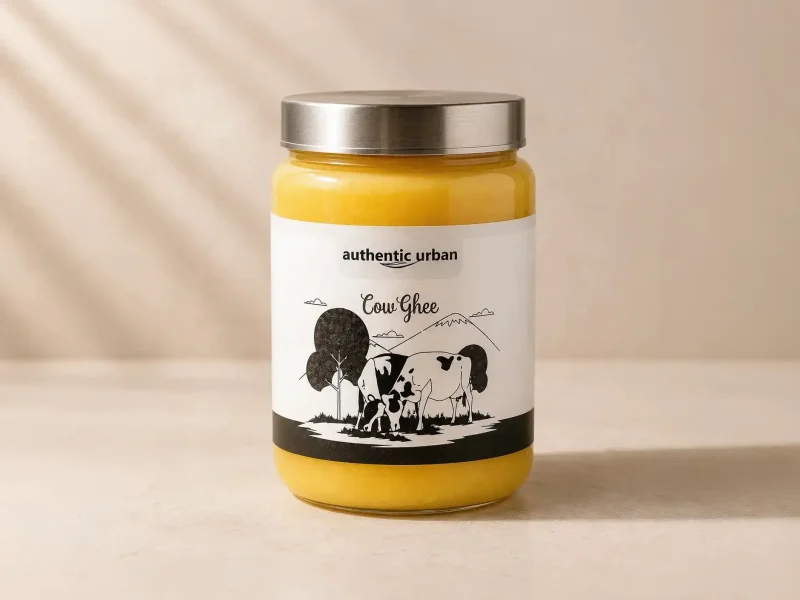 1 Litre
Kuttu puri and singhara halwa
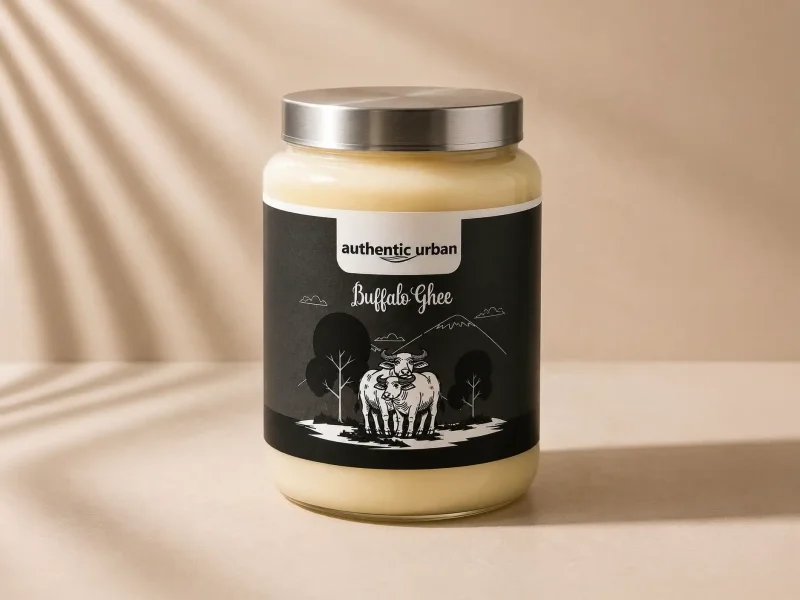 1 Litre
Each order is cooked after you place it, and the packing video is of that batch. Past order videos are on the shop.
FAQ
Can we eat ghee in the Navratri fast?
Yes, in most Navratri vrats that allow food, ghee is the usual cooking fat, along with milk, curd, and paneer. Families that keep phalahar cook sabudana, kuttu puri, and singhara halwa in ghee. If your fast is nirjala, or fruit and water only, no cooked food is taken, so ghee waits until the fast opens. Your family's rule decides, not a website.
Is groundnut oil allowed in the Navratri vrat?
Many families allow groundnut (peanut) oil in vrat food because peanuts themselves are allowed, and they use it for frying puris and sabudana vada. Others keep to ghee only. Refined and blended oils are where rules differ most, so ask at home. A split that works: groundnut oil for deep frying, ghee for the tadka and the spoon on top, where you can taste it.
Can we eat sendha namak with ghee in vrat?
Yes. Sendha namak (rock salt) is the salt most families use in vrat food, and it goes into khichdi, puri dough, and raita the same way table salt does. Use it for the nine days and go back to iodised salt after. Keep it in its own jar so it does not mix with table salt.
Why do I feel weak or dizzy during the Navratri fast?
Most often the plates are too small, too far apart, or short of water. Eat something every four to five hours, add curd, paneer, or peanuts for protein, and drink water, buttermilk, or nimbu pani. Feeling faint, confused, or very weak is a reason to break the fast and eat. If you take medicine for diabetes or blood pressure, check with your doctor before fasting.
Can you eat curd and paneer in the Navratri fast?
Yes, in most families. Curd, paneer, milk, and makhan are all allowed, and they are the easiest way to add protein to a plate of sabudana or potatoes. Vrat raita with cucumber, sendha namak, and roasted jeera goes with kuttu puri. Paneer tikki or paneer bhurji in a teaspoon of ghee makes a filling dinner. Check that packaged paneer lists only milk and an acid.
How do you break the Navratri fast?
Most families end the nine days with kanya pujan on Ashtami or Navami: puri, kala chana, and suji halwa served to young girls, then eaten by the family. After nine days of lighter food, keep that first meal modest. One or two puris, a bowl of chana, and a small bowl of halwa is plenty. Go back to dal, roti, and vegetables the next day.
About the editorial team
Authentic Urban TeamBilona ghee makers, Gir Somnath, Gujarat
We are the Parmar family in Gir Somnath, Gujarat. We have made ghee here since 2016 and sold it online since 2025. We make only Bilona ghee, test it every month, and anyone is welcome to visit and watch it being made. Our Gir cows and Jafarabadi buffalo are grass-fed village animals that graze near the Gir forest, with no hormones or milk boosters. We set their milk to curd, churn it, and cook the makkhan on a wood chulha. These articles come from that kitchen and from what customers ask us on WhatsApp. We are ghee makers, not doctors.
Sources
- Tapioca, pearl, dry (FDC ID 169717), SR Legacy, USDA FoodData Central. Checked 28 Sep 2026.
- Buckwheat flour, whole-groat (FDC ID 170687), SR Legacy, USDA FoodData Central. Checked 28 Sep 2026.
- Butter oil, anhydrous (FDC ID 173412), SR Legacy, USDA FoodData Central. Checked 28 Sep 2026.
- Peanuts, all types, raw (FDC ID 172430), SR Legacy, USDA FoodData Central. Checked 28 Sep 2026.
- Potatoes, boiled, cooked in skin, flesh, without salt (FDC ID 170438), SR Legacy, USDA FoodData Central. Checked 28 Sep 2026.
- Dietary Guidelines for Indians, 2024, ICMR-National Institute of Nutrition. Checked 28 Sep 2026.
- 200 fall ill after eating buckwheat flour during Navratri fasting in city (24 September 2025), The Tribune. Checked 28 Sep 2026.